Plumbing Compliance and Standards in Schools
Schools are the backbone of preparing the next generation. So, it’s no surprise that there are strict standards for school plumbing systems to make schools a safe and welcoming place to be. The problem, though, is that so many schools aren’t adhering to these standards.
Approximately nine out of ten students face issues with school toilets, especially in ageing buildings that haven’t been updated in generations. At Lacey Plumbing & Heating, we support schools in upgrading their plumbing systems to give the students the experience they deserve.
Here’s what you need to know about today’s plumbing standards and your ongoing compliance needs.
The uses of water in schools
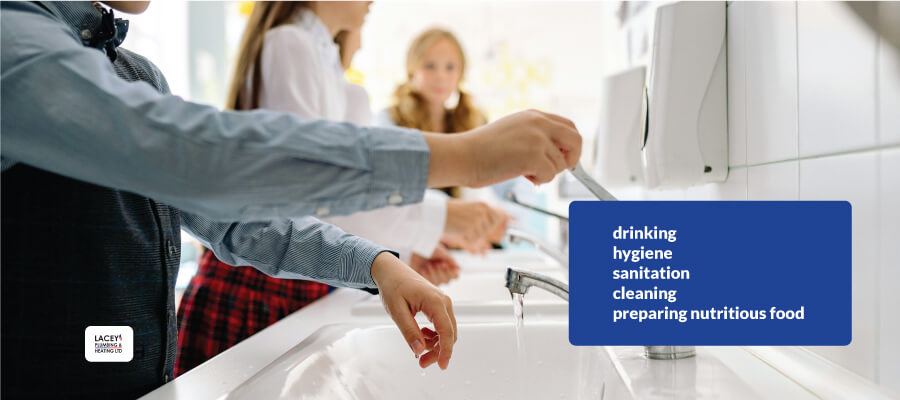
Water isn’t just for sipping. Whether it’s for drinking, hygiene, sanitation, cleaning or preparing nutritious food in the cafeteria, water really is the lifeblood of any high-achievement educational institution.
Schools use water in any number of ways, and a malfunctioning plumbing system can lead to issues like:
It’s also a fact that access to water improves learning outcomes because water directly impacts cognitive function. And this is a massive UK-wide issue, with 40% of children being dehydrated in primary schools at the end of the day.
Plumbing services schools may need to remain compliant
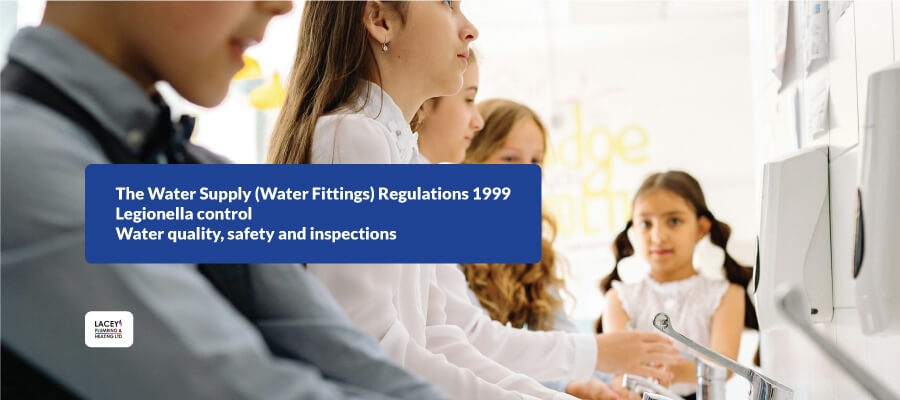
Compliance in schools is vital for keeping students safe and happy. It’s why risk assessments must be conducted every two years. School staff are also responsible for being trained in managing water-related safety risks.
Additionally, all schools must work only with contractors who have the proper certifications, including DBS checks. At Lacey Heating & Plumbing, we ensure all of our plumbers have all the up-to-date certifications and checks to work in your school.
So, what safety-related plumbing services do schools need?
The Water Supply (Water Fittings) Regulations 1999
One of the core pieces of legislation is The Water Supply (Water Fittings) Regulations 1999. In essence, it’s about preventing waste, misuse, and contamination of water. Don’t meet these requirements, and schools risk financial penalties, reputational damage, and even the closure of school facilities.
Legionella control
The Health and Safety Executive (HSE) monitors compliance with legionella control, including water temperature monitoring and cleaning of taps and showers. Your plumber can help you carry out regular tests to prevent outbreaks, especially when school is closed and water sits stagnant, or with dead legs in water pipes.
Remember, Legionnaire’s disease can be lethal, with 472 cases of legionellosis in England and Wales in 2024.
Water quality, safety and inspections
All schools must conduct regular bacterial testing and ensure that temperature control systems are still functioning to prevent burns. Additionally, schools must carry out annual inspections of water storage tanks, flushing systems and other appliances.
These are non-negotiable and must be carried out by a professional with the appropriate certifications.
How many toilets does a school legally need?
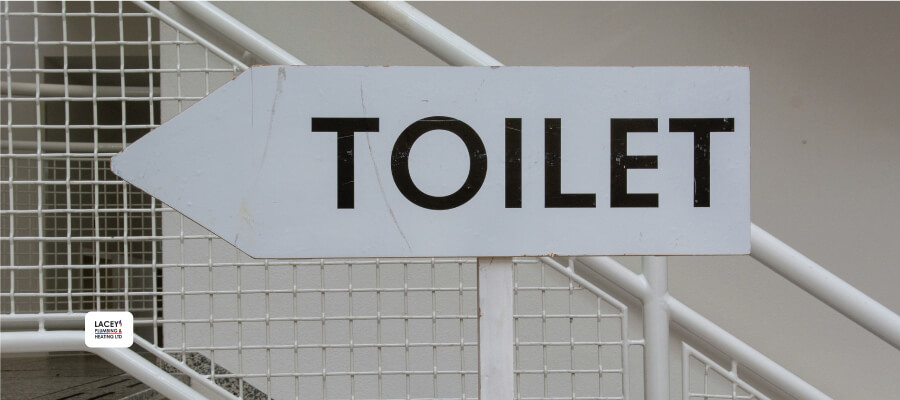
Toilet facilities are a common cause of complaint in schools. The general rule of thumb under UK government regulations is that you should have one toilet per 20 pupils over the age of five, and one toilet for every 10 students under the age of five.
If a school has students over the age of eight, toilet facilities have to be separated by gender. The sole exception is when the bathroom is a lockable single-user option, such as a dedicated disabled bathroom.
Note that in special schools, the ratio is one toilet per 10 students, regardless of age. It should also be noted that in ordinary schools, whenever there are four or more cubicles in a single block, one of them must be designated for disabled access.
Still, you might also choose to provide more toilets for convenience. These standards are only the minimum ratios.
Keeping your school safe with compliant plumbing

Compliant plumbing means familiarising yourself with the latest regulations, including the School Premises (England) Regulations 2012. By working with a plumber specialising in school plumbing systems to design, refurbish, upgrade, and maintain your plumbing systems, you have peace of mind that you’re in full compliance when the HSE conducts its inspections.
At the heart of compliance are:
Regulations also require that a responsible person be designated. They should be competent and capable of taking on the responsibility. That doesn’t mean they must have any plumbing knowledge themselves, but they should have a limited knowledge of the regulations and their role in preserving the safety of water systems.
Optimising plumbing systems for health and safety in educational settings
Optimising plumbing systems for health and safety means making a concerted effort to upgrade older systems and working with plumbing professionals. We understand that school budgets are often constrained, and schools often turn to temporary fixes, but this approach only worsens the problem.
Upgrading older systems and opting for refurbishment and renovation is an opportunity to improve the bathroom experience for students and produce a better learning environment. Options might include:
At Lacey Plumbing & Heating, we also know that there are unique challenges to plumbing system optimisation. This includes the risk of disruption to students, space constraints, and budgetary pressures.
That’s why we work with schools to support the upgrades that fit into an era of budgetary pressures. If you’re ready to ensure that your educational institution meets the standards of modern education in the UK, it’s time to turn to the professionals at Lacey Plumbing & Heating. For your free consultation, contact us today so we can discuss your school’s needs.
More like this


Find Us On
Unit 9, Bridgemills
Rochdale Road, Edenfield, Ramsbottom, BL0 0RE
Opening Times
Mon – Fri 8am – 5pm
Call Us Today
0161 884 1109
GET IN TOUCH