Skip to content

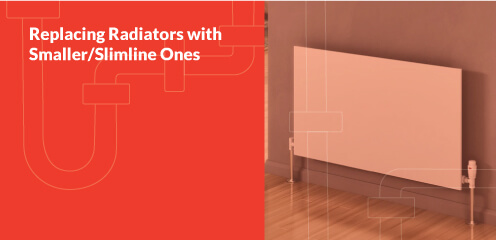
Replacing Radiators with Smaller/Slimline Ones


During the colder months, we rely on our radiators working effectively to keep our homes warm. Replacing your radiators might be to increase the quality/efficiency of your heating system, or it might be for aesthetic reasons. 

Replacing your radiators with slimline ones is usually ideal for areas where a bulkier radiator is not suitable, but smaller ones can still provide sufficient heating output. Usually, this is in smaller or tighter rooms, or in areas where you plan on having a lot of furniture.

Can you replace a radiator with a smaller one?

You can replace a radiator with a smaller one, but you first need to consider the heat output that room needs. We’d recommend that a professional heating expert assesses your space first, so they can advise as to whether a smaller radiator would be appropriate.

Equally, replacing a radiator with a smaller one may require adjustments to your pipework, which must be carried out by an expert.


Will having a smaller radiator make a significant difference?

Having a smaller radiator definitely can make a significant difference to the central heating in an area, but this is dependent on a number of factors:

  • Size of room - In a larger room, downsizing to a smaller radiator is likely to make a much bigger difference. On the other hand, a smaller room which already has more than enough heating output would be appropriate for a downsize.

  • Quality of existing heating system - If your entire house is adequately heated already, then downsizing is less likely to cause any major difference. Equally, if the quality of your existing radiator (to be replaced) is poor, downsizing with a newer model might actually increase the quality of your heating system.
  • Quality of new radiator - Smaller doesn’t always mean worse. You could be upgrading a bigger but low quality radiator, to a smaller but higher quality one. In this case, the heating output might remain the same, or even increase. 


The process of replacing a radiator with a smaller/slimline one


The process of replacing a radiator with a smaller one should be carried out by heating experts, and this is the rough process our professionals would follow:

  • Work out the right size radiator - Make sure you choose a radiator that is big enough for the room.
  • Isolate and drain radiator - Turning off the central heating and allowing the radiator to cool down, isolate the radiator using the valves at each end. Then drain the water, and collect the liquid in a container.
  • Remove radiator - Unscrew and disconnect old radiator from wall brackets.
  • Install new radiator - First install the new bracket, then attach the new, smaller radiator, ensuring it lines up perfectly with the valves.
  • Test and begin use - Turn your central heating back on, and test that the radiator is working properly.

The benefits of switching to a smaller radiator

Here are some of the primary benefits of switching to a smaller radiator:

  • Saving space - Particularly for rooms with little space, downsizing can allow more room for furniture and actually make a room feel larger.
  • Increased heating efficiency - For spaces where a large radiator was not necessary, you might find that a smaller radiator still emits enough heat, without using as much water and possibly reducing heating costs. 
  • Aesthetic benefits - A slimline radiator may better match the aesthetic of your living space, being better suited in terms of size and look. This is perfect for more contemporary interior designs.
  • Reduced heat gradient - Using smaller radiators for low-temperature heating systems can create a more comfortable heat distribution by lowering the temperature difference within a room.


Slimline radiator options

A good option for a high quality slimline radiator is the DQ Cassius Column Style radiator. This option is an ideal choice for somebody looking for a vertical radiator with high quality heating output. It’s made from mild steel which is very durable and affordable, and it’s a more modern radiator which matches a contemporary aesthetic.  

Another top choice for a smaller radiator is the Lux Heat Flat White Radiator which is known for its sleek and stylish look and efficient heat output. Suitable for smaller spaces, we’d recommend this cost-effective heating choice.

Finally, check out the Hudson Reed Vertical Designer Compact Radiator for a four-panel design which integrates perfectly with any interior design. This radiator integrates with any central heating system and is a great option if you want to downsize/convert to a vertical radiator to add extra space to any room.

More like this

Replacing Radiators with Smaller/Slimline Ones

Read More

Find Us On

Unit 9, Bridgemills

Rochdale Road, Edenfield, Ramsbottom, BL0 0RE

Opening Times

Mon – Fri 8am – 5pm

Call Us Today

0161 884 1109

GET IN TOUCH

0 of 350
Novuna
Google

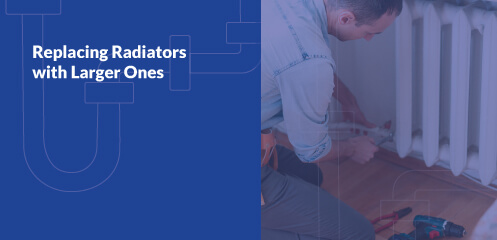
Replacing Radiators with Larger Ones


There are a few reasons why you might look to replace your radiators. Perhaps you’re looking to upgrade to modern radiators, or you’re interested in designer radiators. Alternatively, you might be looking for larger radiators, increasing the overall heat output into your house.


In this blog post, we’ll look at how much difference larger radiators make, as well as the process and benefits of making this change.

Can you replace a radiator with a bigger one?

Yes, in most cases, you can replace a radiator with a bigger one. Whether it’s to increase heating efficiency in a room, or to better match the aesthetics of your space, it’s generally possible to do.

However, before you make this decision, you need to consider:

  • Pipework - Is the pipework in your property suitable to accommodate a larger replacement?

  • Optimal radiator size - Do you actually need to upgrade?
  • Fitting - If pipework needs altering, do you need a professional plumber to fit for you?

For support with all your plumbing and heating needs, including radiator upgrades or replacements, contact the team at Lacey Plumbing.


Does a larger radiator make a difference?


A larger radiator can make a significant difference to heating efficiency and heat output. The increased surface area you gain from replacing a small radiator with a large one means it can distribute heat more effectively and evenly, with a lower internal water temperature.

This may even improve the efficiency of your condensing boiler, saving you energy and money in the long term. Equally, the lower flow temperatures larger radiators are able to operate at means you’re covered if you decide to use a heat pump in the future.

Before upgrading to a larger radiator, you should consider the size of your room, and decide whether you actually need to make this upgrade in terms of efficiency and effectiveness.

The process of replacing a radiator with a larger one

To replace a radiator with a larger one, you need to turn off your heating system, drain it fully and prepare your new radiator before installing and bleeding the larger replacement:

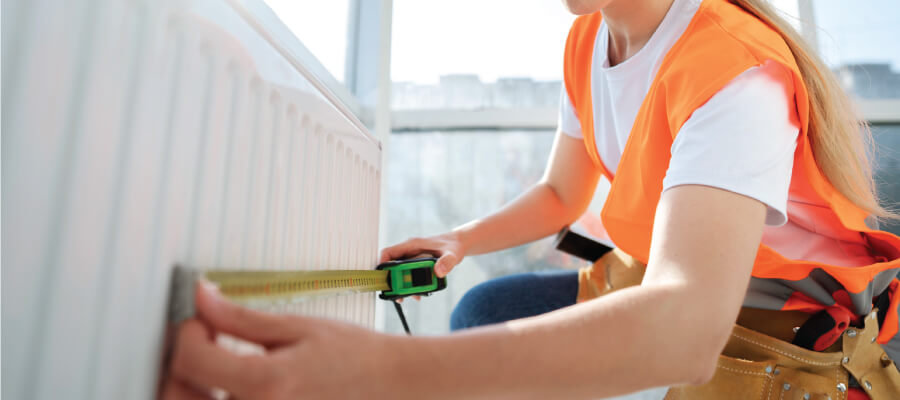
  • Measure new radiator - As well as the space in which you plan to fit it, measure your new radiator to ensure compatibility in the chosen room(s), and with surrounding pipework.
  • Turn heating off - Ensure you’ve turned the entire heating system off, and all radiators and pipes are cooled.
  • Isolate radiator - To stop water flow, you need to close the surrounding valves, isolating the radiator.
  • Bleed old radiator - To flush all water from the system, you need to open the bleed valve and catch all water in a bucket.
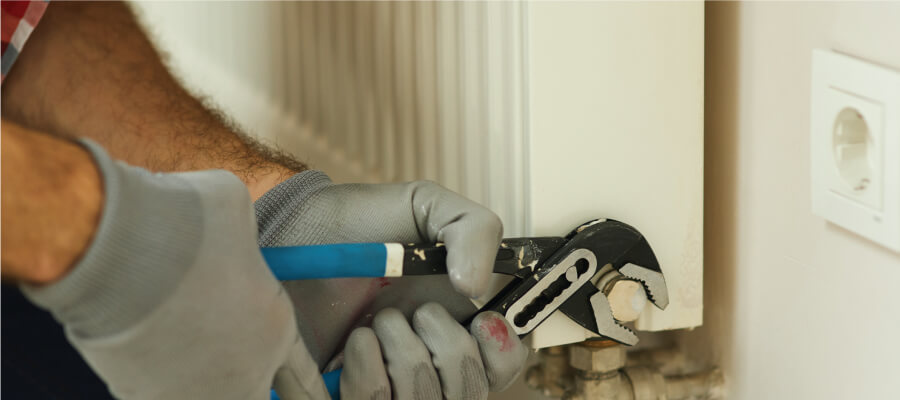
  • Remove old radiator - Using the correct tools, such as an adjustable wrench, disconnect all valves and pipes and remove the radiator from the wall brackets.
  • Prepare/install new radiator - Level and install new brackets if necessary. Then hang the larger radiator and connect/hand tighten to valves.
  • Open valves and bleed - Allow water back into the system, checking for leaks during this process. This also flushes out any trapped air in the system.

Remember, if you need to consider pipework alterations, or you’re at all uncomfortable with managing this process yourself, consult central heating experts.

The benefits of upgrading to a larger radiator

If done correctly, upgrading to a larger radiator comes with a number of benefits:

  • Improved heating efficiency
  • Faster heating
  • Energy savings
  • Increased comfort
  • Aesthetic benefits
  • Increased property value

Remember, you’ll only see these benefits if your larger radiators are installed properly by professionals, or somebody properly experienced with heating installations. Otherwise, you risk actually damaging your heating system and costing yourself money.


Book a Radiator Installation or Upgrade


Larger radiator options


  • Column radiators - 4, 5 and even 6 column models are great options for high heat output as well as their aesthetic value.
  • Double panel radiators - With two panels and either one or two sets of convection fins, double panel radiators are bigger and output more heat than single panel radiators. These are ideal for bigger rooms especially.
  • Cast iron radiators - Can take longer to heat up but are perfect for large rooms thanks to their size potential and eventual heat output.
  • Designer radiators - Usually chosen for their aesthetic benefits, many designer radiators come in larger sizes, covering bigger wall areas. Read our blog on how to bleed a designer radiator.

Remember, to avoid damaging your central heating system, costing you more money and time, consider calling the pros to replace your radiators with larger ones. 

More like this

Replacing Radiators with Smaller/Slimline Ones

Read More

Find Us On

Unit 9, Bridgemills

Rochdale Road, Edenfield, Ramsbottom, BL0 0RE

Opening Times

Mon – Fri 8am – 5pm

Call Us Today

0161 884 1109

GET IN TOUCH

0 of 350
Novuna
Google

Radiator Positioning: Should you Move When you Upgrade?

Upgrading your radiators should hopefully keep your house cosy and warm during even the coldest days. But you might be wondering whether you also need to reposition these radiators to ensure maximum efficiency and function.

In this blog post, we’re going to have a look at why radiator placement matters, whether or not you’ll need to move yours, and our recommendations for best radiator positions.

Does radiator placement matter?

Radiator placement has a strong direct impact on their efficiency, and the heating they provide. So yes, radiator placement matters significantly.

Radiators are often placed underneath windows to combat the cold air or drafts that come into the house from these areas, counteracting the cooling effect when turned on. However, this doesn’t necessarily mean underneath a window is automatically the best option, as there are other factors to consider.

It’s also important to think about heat distribution. Positioning radiators too close together or too far apart is counterproductive, so think about having them evenly placed, not forgetting to take cold spots or drafty areas into account.

Placement also has a heavy impact on energy efficiency. Positioning a radiator against a cold exterior wall sometimes forces your heating system to work harder, thus burning more energy.

Should you reposition your radiator after upgrading them?

After replacing your radiator, whether or not you should reposition one or multiple radiators depends on a few things. You might want to consider repositioning if:

  • Radiator interferes with room layout - You may be upgrading radiators as part of a larger renovation. In this case, it’s a good idea to consider where to place your radiators based on aesthetics and efficiency.
  • You want to increase energy efficiency - Hopefully, upgrading your radiators will already increase energy efficiency as new radiators are much more efficient than older ones. However, you can increase energy savings even more by positioning radiators in areas which conserve more heat, such as closer to another wall.
  • The size of the radiator isn’t suitable for current location - If you’re getting a bigger radiator, you may have to reposition in order to avoid it being too close to things like curtains or furniture. Equally, if the newer modern radiator is smaller, you might want to move it to a new location where it looks more fitting.

In some cases, it won’t be necessary to reposition your radiator after upgrading them. If the upgrade is solely because you wanted a bit of extra heat, or because your old radiator had started to break down, it’s unlikely that you will need to move them. Hopefully, upgrading to modern radiators will provide enough additional heat and efficiency to heat your home.

If you’re considering upgrading or moving your radiators, get in touch.

Plan your Radiator Upgrade Today


Should you move radiators when you upgrade your boiler?

Generally, you won’t need to move your radiator when you upgrade your boiler. However, in some cases, it’s worth considering:

  • Heat distribution - Many modern boilers operate at lower water flowing temperatures, so moving radiators to areas which dissipate more heat effectively could maximise the efficiency of your new boiler.
  • Addressing pipework changes - If upgrading your boiler was part of a system overhaul, or perhaps a more significant refurbishment, outdated or poorly installed pipework might need to be amended.

It’s important to note that moving a radiator is a difficult job which involves system flushing and pipework alterations. You’ll need a professional plumber to safely and effectively do this job without risking damaging components, or even your property.

Where should upgraded radiators be positioned?

Where you position your upgraded radiators depends on their size and type.

Designer:
If you’ve opted for designer radiators, there’s likely to be a specific area you want them to be in for aesthetic reasons. Whilst you can position your designer radiator to suit the aesthetic of your space, we’d recommend taking into account previously mentioned factors such as heat efficiency and size suitability.

Vertical:
If you’ve upgraded to vertical radiators, you should position them on walls with less horizontal, but more vertical wall space. This way, you get the most out of the vertical design and the radiators won’t look out of space.

Living Room:
In areas such as your living room, note what areas you’re most likely to be sitting at, and whether there are any drafts from windows or doors which impact comfort in this room. Your upgraded radiators should be placed underneath windows if they allow a lot of cool air into the living room.

Otherwise, we’d recommend that you take both aesthetics and efficiency into account when choosing where to position your upgraded radiators. Consider the factors we mentioned earlier in this blog, or speak to the experts at Lacey Plumbing to help make your decision.

More like this

Replacing Radiators with Smaller/Slimline Ones

Read More

Find Us On

Unit 9, Bridgemills

Rochdale Road, Edenfield, Ramsbottom, BL0 0RE

Opening Times

Mon – Fri 8am – 5pm

Call Us Today

0161 884 1109

GET IN TOUCH

0 of 350
Novuna
Google

Do I Need New Radiators if I Get a New Boiler?

You’ve decided to replace your boiler with something new, improving your heating system drastically. Now, the question is, should you upgrade your radiators to match? Will your old radiators still work with the new boiler, and will you be wasting the power of your new boiler with old and outdated radiators?

We’re here to answer these questions, and take you through the benefits of upgrading radiators alongside a boiler, helping you to make the right choice for your home and for your pockets.

Do you have to replace radiators with a new boiler?

The simple answer is no, you don’t have to replace radiators with a new boiler, especially if your current radiators are not too old and still in good working order. A professional boiler installation is likely to include a system flush, which might clear any debris related issues in the pipes of your current radiators.

You might want to upgrade to modern radiators alongside a new boiler if your current ones are particularly old, are damaged, or if you’ve noticed they’re not performing as you’d expect. Also, in some cases, certain radiators and boilers may not be compatible, which is a conversation you should have with your experienced installer.

Do old radiators work with new boilers?

In most cases, old radiators do work with new boilers. However, it’s important to note that in some cases, new radiators will be much more effective. Old radiators might bottleneck the performance of your new boiler as, despite the efficiency of the boiler, the radiators aren’t giving out as much heat as they could be.

In general, we’d recommend installing new radiators after 10-15 years, or if you’ve noticed any signs that they may be past their best. Modern boilers are designed to be more energy efficient, which is better both financially and environmentally; but if paired with outdated radiators, you risk losing out on this efficiency.

Plan Your Upgraded Radiator Installation Now


Can I use my existing radiators if I upgrade my boiler?

Yes, you can normally use your existing radiators if you upgrade your boiler; but it depends on the state/condition of your current radiators. Using your existing radiators will not always be the best option in terms of efficiency and long term costs.

Consider what type of boiler you’re upgrading to. Going from a conventional to a combi boiler might require pipework alterations or or new radiators to ensure optimal heat output.

The benefits of replacing your radiators when you upgrade your boiler

There are a number of benefits to replacing your radiators at the same time as your boilers:

  • Efficiency and energy savings - Many modern radiators require less water to work, freeing up your new boiler to work more efficiently. This can be great to save energy and, in the long run, money.
  • Compatibility - Newer radiators are more likely to be compatible with the upgraded boiler, and they’re also more likely to be more compatible with any future boiler upgrades.
  • Minimised disruption - If you think you’ll need to replace your radiators relatively soon anyway, it makes sense to get them done at the same time as the boiler. This minimises disruption in your household.
  • Potential cost saving - As your heating system will need to be drained when your boiler is being changed, there'll be some potential labour saving costs by having your radiators changed at the same time.
  • Improved functionality - Many modern radiators have features such as smart controls and zonal heating which would be compatible with a new boiler too.

Signs that you might need new pipework or radiators

If you think you might need new pipework or radiators, there are a number of signs to look out for:

  • Leaks
  • Visible rust or corrosion
  • Higher energy bills
  • Unusual noises such as gurgling or banging from the radiator(s)
  • Uneven heating
  • Cold spots
  • General wear and tear

If you’re getting a new boiler, and you notice any of these things, we’d recommend that you consider new radiators too.

How often should radiators be replaced?

Radiators should be replaced every 10-15 years, assuming there are no major issues with them during this time. However, if you notice any cold spots, rust, corrosion, or just poor heating in your house, it is worth calling a professional local plumber and discussing your options with them.

Replacing radiators is a job we at Lacey Plumbing & Heating specialise in, so be sure to get in touch for experienced solution focused plumbing and heating.

Book in a New Radiator Installation Now


How to prolong the life of your existing radiators

Some top tips to prolong the life of your existing radiators include:

  • Bleeding your radiators before the winter - Using a radiator key to bleed trapped air can help to increase heat output and energy efficiency. Your installer can do this during your annual boiler service.
  • Regular cleaning - Cleaning dust or debris off your radiator can increase heat output as well as improving lifespan.
  • Checking for damage - Inspecting your radiators for any corrosion, rust or other damage means you can conduct minor repairs instead of being forced into major repairs if the issues gets worse.
  • Flushing - Every 5 or so years, flushing your heating system and radiators helps to remove any debris or sludge build up, restoring proper function and extending lifespan.
  • Chemical inhibitor - Ensuring chemical inhibitor is added to your central heating system if it ever needs to be drained for any reason. Your installer should refill and add a chemical inhibitor to protect the heating system.

For peace of mind that your boiler and radiator installations or repairs are being carried out by experienced professionals, get in touch with our team at Lacey Plumbing.

More like this

Replacing Radiators with Smaller/Slimline Ones

Read More

Find Us On

Unit 9, Bridgemills

Rochdale Road, Edenfield, Ramsbottom, BL0 0RE

Opening Times

Mon – Fri 8am – 5pm

Call Us Today

0161 884 1109

GET IN TOUCH

0 of 350
Novuna
Google

Upgrading to Modern Radiators: A Guide

Damage to your radiators can be quite dangerous but not particularly noticeable. This is why upgrading to modern radiators is essential for many households.


As with any type of item in your home, radiators can fall victim to wear and tear. Once radiators get old, they can start to become inefficient or can even start to rust. A common issue is uneven heat throughout a radiator which can be caused by sludge build up, especially in older systems.

However, unlike the wear and tear on other household items, damage to your radiators can cause issues when they eventually leak. Efficiency of your heating system and avoiding potential leaks is why upgrading to modern radiators is essential for many households.


What difference will upgrading to modern radiators make?

When you upgrade to modern radiators, you will likely benefit from a number of different improvements in your central heating system.

Some common benefits of replacing your radiators include:


  • Improved efficiency
  • Potential reduction in heating bills
  • Faster heating times
  • Better heat outputs
  • Enhanced aesthetics
  • Space efficiency

Types of modern radiators

Modern radiators, also known as designer radiators, come in many styles, shapes and designs, meaning you will be able to easily find the perfect radiator to suit your home and interior design.

Different types of modern radiators include:


  • Single or double panel radiators - This is typically the most common type of radiator you will see in homes up and down the UK. These radiators usually come as one slim single panel that sits close to the wall, or as a double panel with a gap between them that helps to give out more heat. They have convector fins to give out more heat.
  • Horizontal and vertical radiators - Horizontal radiators are wider than they are tall and are typically placed under windows. Vertical radiators are taller than they are wide and are an ideal space saving solution. They are usually more visible than horizontal radiators and come in a variety of colours and designs. 
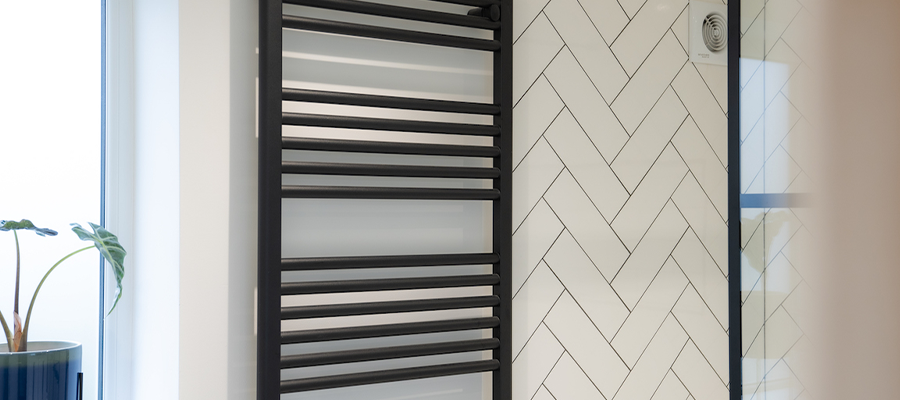
  • Towel radiators - Towel radiators are a type of radiator designed for bathroom use. They are made of a series of steel tubes arranged horizontally in a ladder style and are perfect for hanging towels on to keep them warm.
  • Column radiators - Column radiators are made up of vertical rows of metal tubes that are joined at the top and bottom. They are usually made of cast iron and have a more traditional feel than flat panel radiators. These are now widely available in different materials to cast iron which makes them much more affordable.


Pros and cons of upgrading to modern radiators

When you’re considering upgrading to modern radiators, it's worth keeping in mind the pros and cons before you invest.

Pros of upgrading to modern radiators:


  • Enhanced efficiency - Modern radiators are designed to be more energy efficient, potentially reducing heating costs and environmental impact.
  • Better heat output - They often have improved outputs and can distribute heat more evenly, leading to more comfortable temperatures. 
  • Improved aesthetics - Modern radiators can enhance the look of your interior, offering a more contemporary look and also potentially increasing the value of your home.
  • Reduced maintenance - Newer radiators require less maintenance than older ones, which can often be prone to leaking and rust.
  • Improved controls - Modern radiators should be fitted with thermostatic valves and are compatible with many well-known smart thermostatic radiators valves.

Cons of upgrading to modern radiators:


  • Higher initial costs - Modern radiators are usually more expensive than traditional ones, making the initial upfront cost higher.
  • Quicker cooling times - Newer radiators use less water to output the same heat as older ones, meaning your boiler doesn’t need to heat as much water. Once the heating turns off, your radiators will cool down much quicker and will therefore have less residual heat.
  • You may have to also invest in other products - To get the best out of your new radiators, you may also need to invest in thermostatic radiator valves or a smart thermostat.
  • Costs to ‘make good’ plastering or redecorate - If you have very old radiators, you may find that modern radiators are more compact in size, or the same sizes are not available. This means a heating engineer will have to make adjustments to pipework and you may need plastering or decorating around your new radiator. This is even more so when you want designer radiators to appear as if they have no pipework. A good heating engineer can advise you when they quote for work.


Do you need a Plumbing and Heating Engineer to install a new radiator?

Yes, we highly recommend you enlist the help of a plumbing and heating expert to install a new radiator.

Fitting a radiator yourself could result in greater issues in the long run, as well as potentially very expensive mistakes that would require the help of a professional to fix. 

Why should you choose to upgrade to a modern radiator?

Upgrading to modern radiators offers a number of significant benefits, such as increased efficiency, reduced energy bills and even improved interior aesthetics, making them a worthwhile investment for your home.

Modern radiators are designed with improved heat transfer and internal water channeling, allowing them to heat your home efficiently with less energy consumption. In turn, this allows you to achieve the same level of heating with significantly less energy, therefore helping to lower your energy bills. 

More like this

Finding and Managing Dead Legs in Water Pipes

Read More

Find Us On

Unit 9, Bridgemills

Rochdale Road, Edenfield, Ramsbottom, BL0 0RE

Opening Times

Mon – Fri 8am – 5pm

Call Us Today

0161 884 1109

GET IN TOUCH

0 of 350
Novuna
Google